
Blade Type Diamond Dresser – The Pinnacle of Consistent Precision
Engineered for High-Volume Production
and Micron-Level Repeatability.
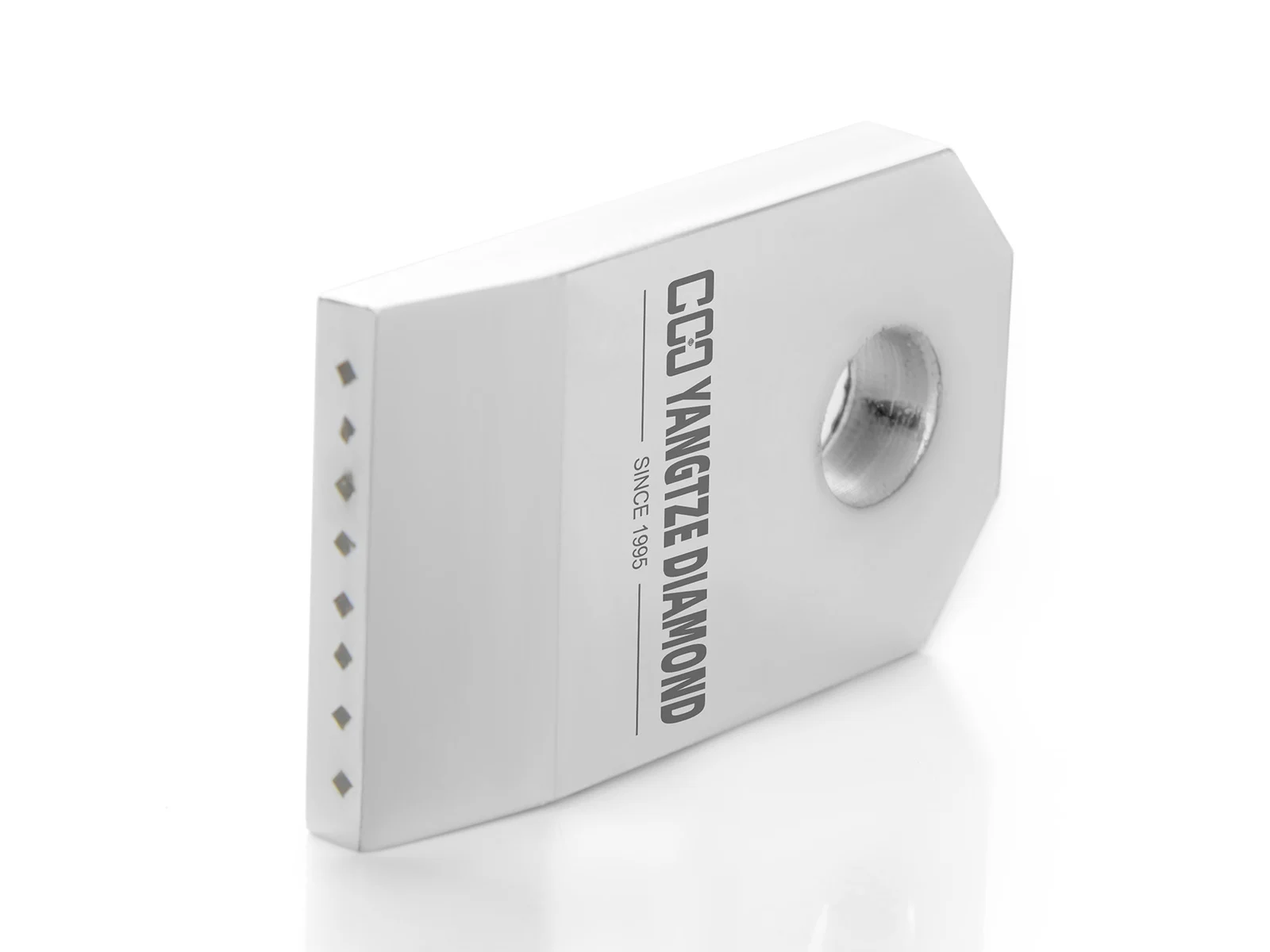
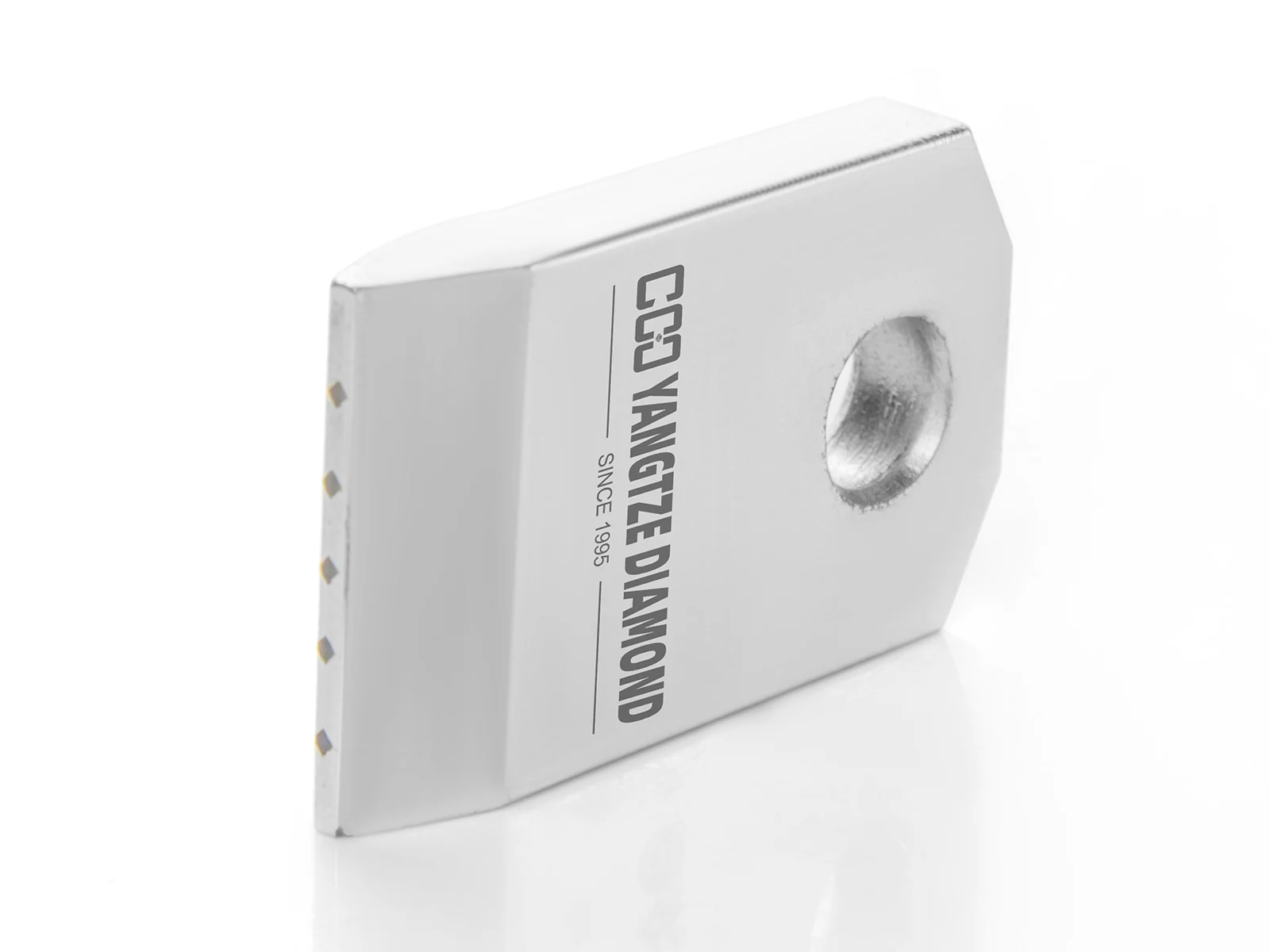
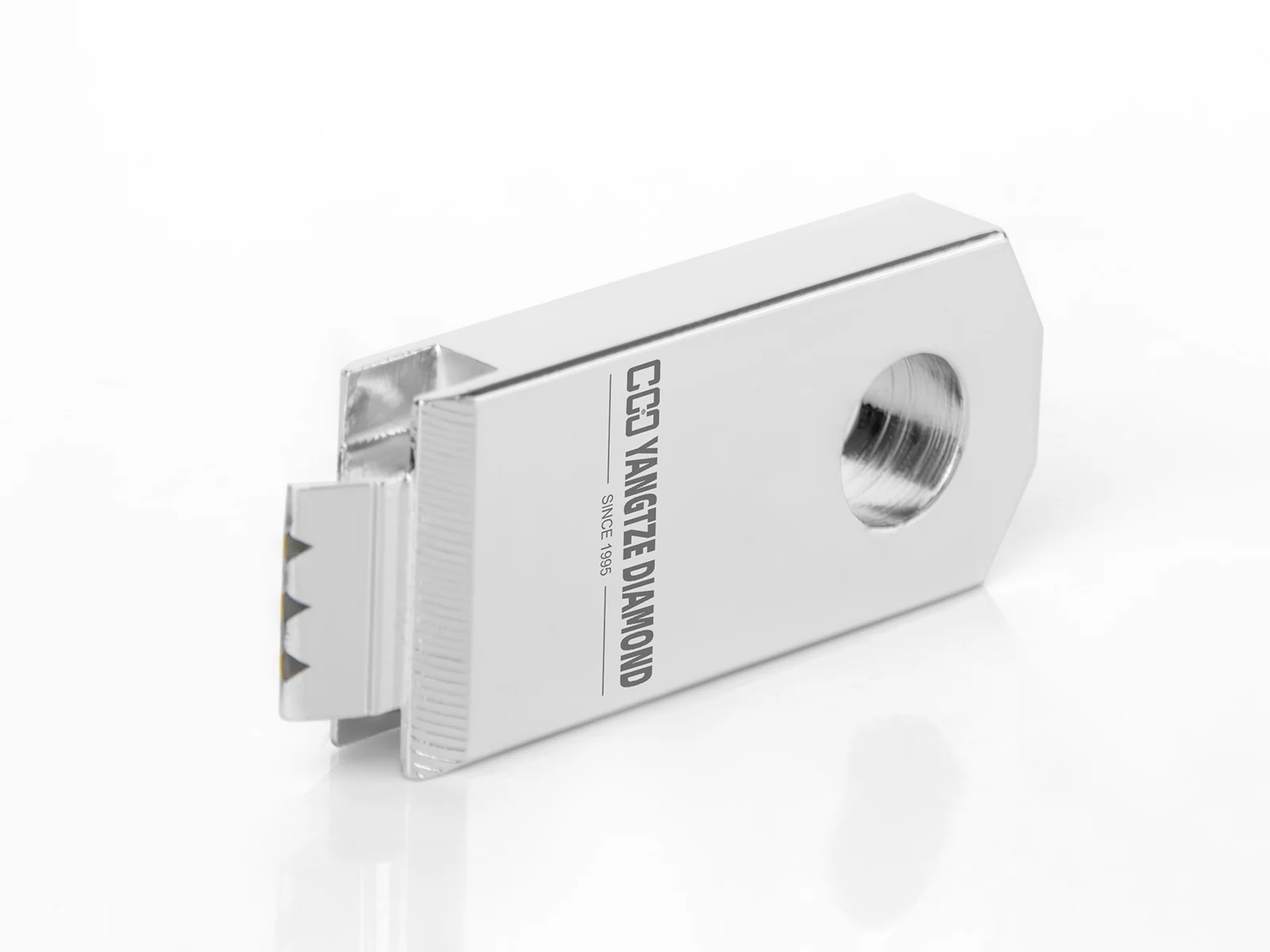
Our Blade Type Diamond Dressers (Multi-stone dressers) are designed to overcome the limitations of traditional stationary dressing. By utilizing precision-set CVD or high-performance synthetic diamond logs, our tools maintain a constant effective width ($b_d$) throughout their entire service life. This ensures a stable grinding wheel topography and perfectly repeatable surface finishes, eliminating the need for frequent parameter compensation.
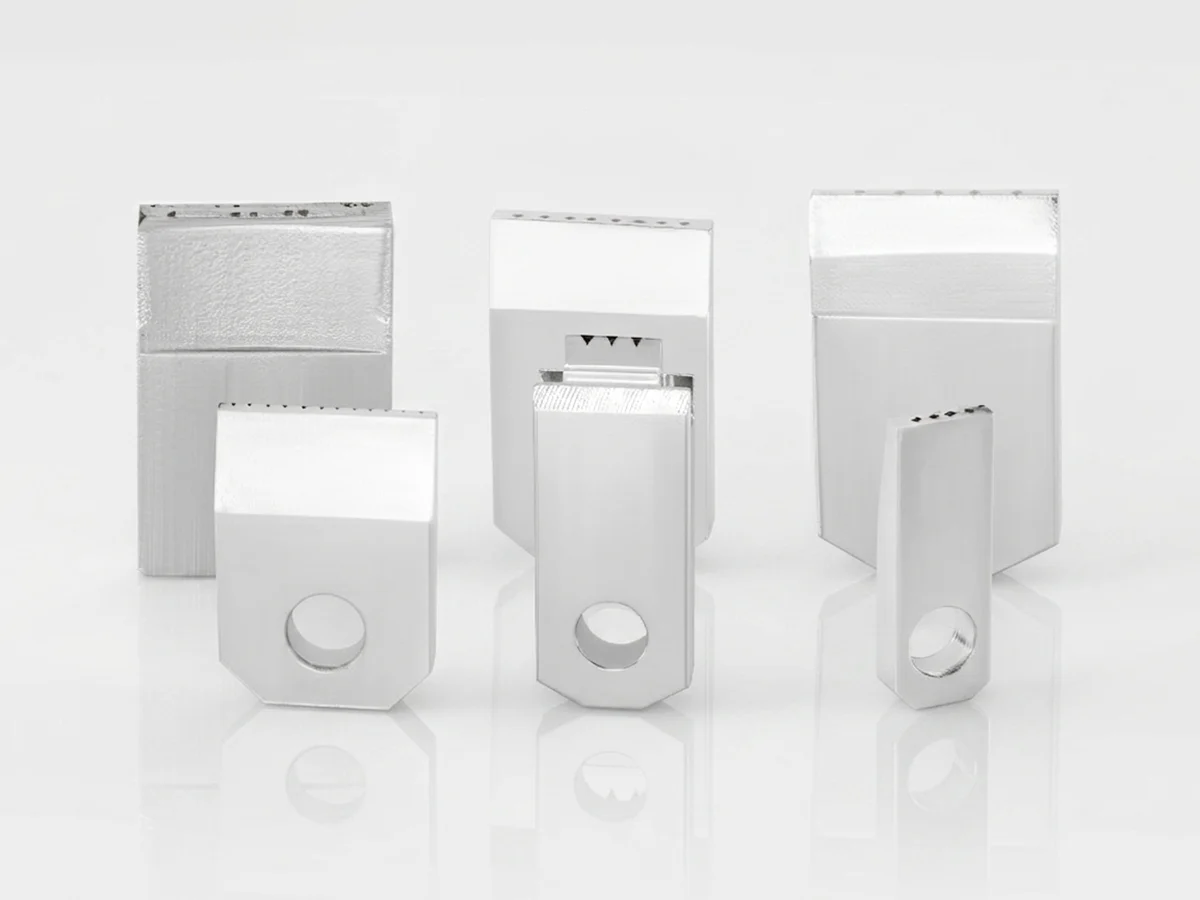
Constant Contact Area
Uniform dressing results from start to finish.
Zero Maintenance
No resetting or re-lapping required; use the tool until fully consumed.
Thermal Superiority
Optimized heat dissipation allows for more aggressive dressing cycles without diamond fracture.
Economic Efficiency
Reduce your tool inventory costs by up to 50% compared to single-point diamonds.
Technical Specifications & Selection Table
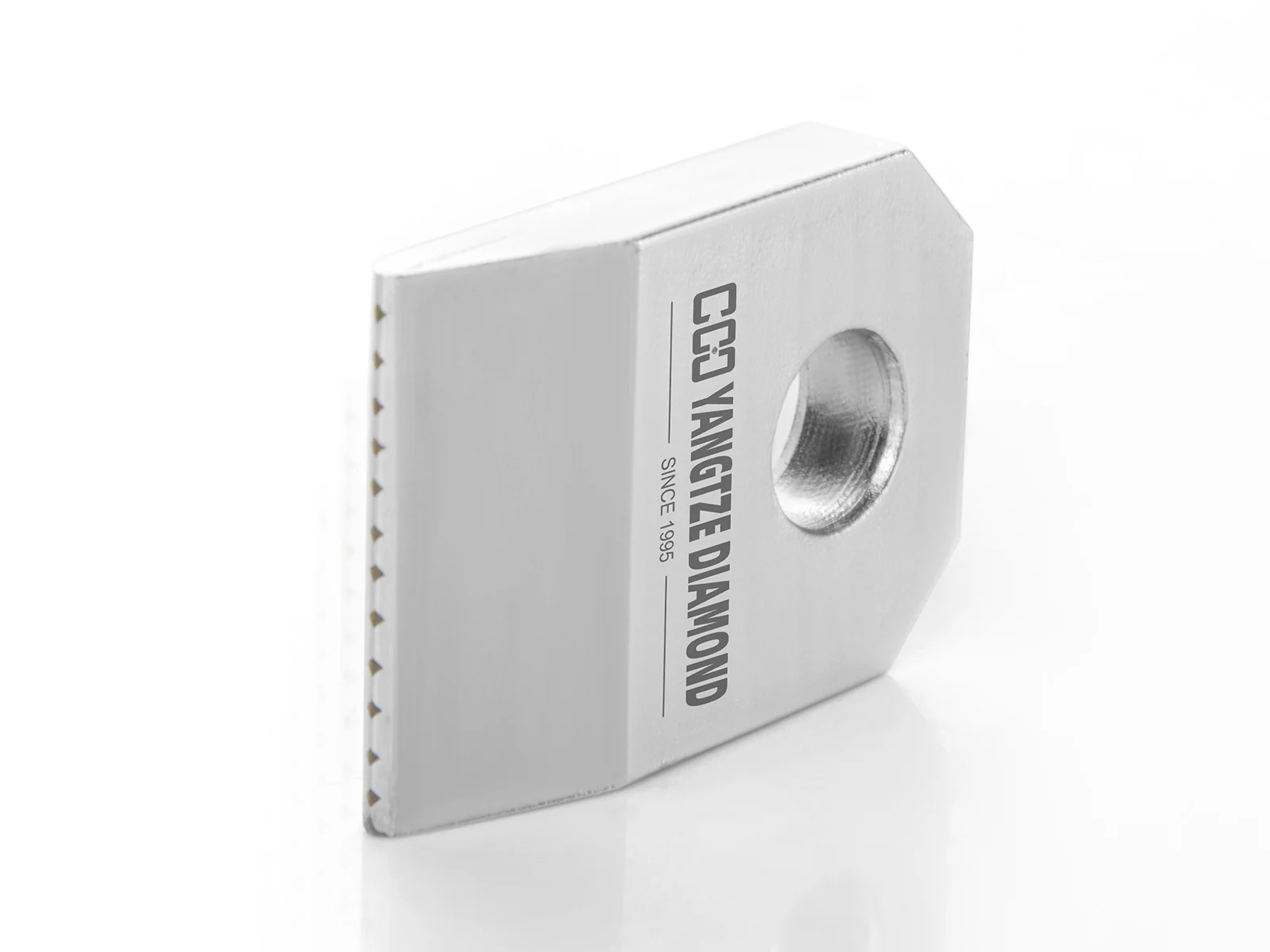
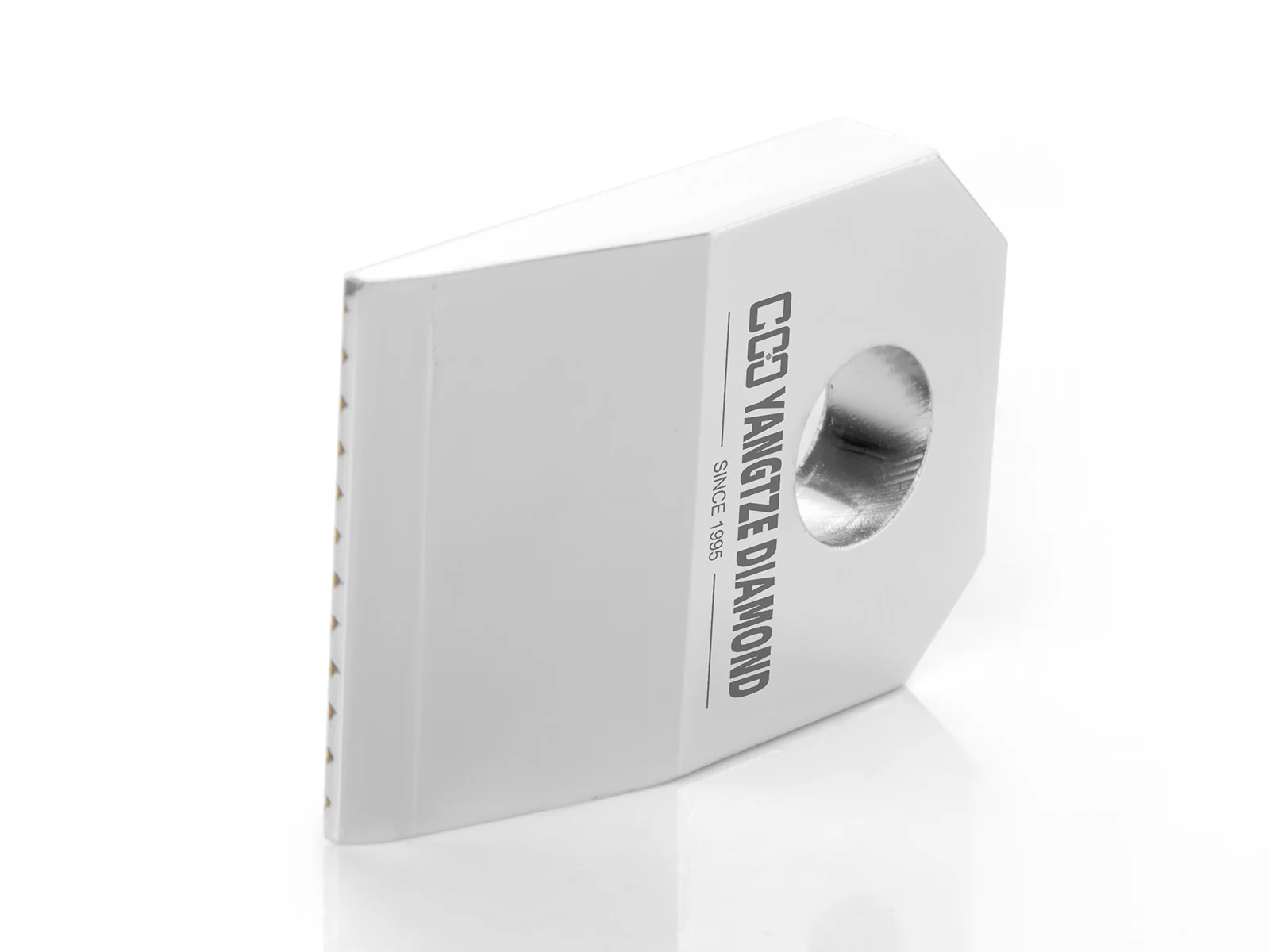
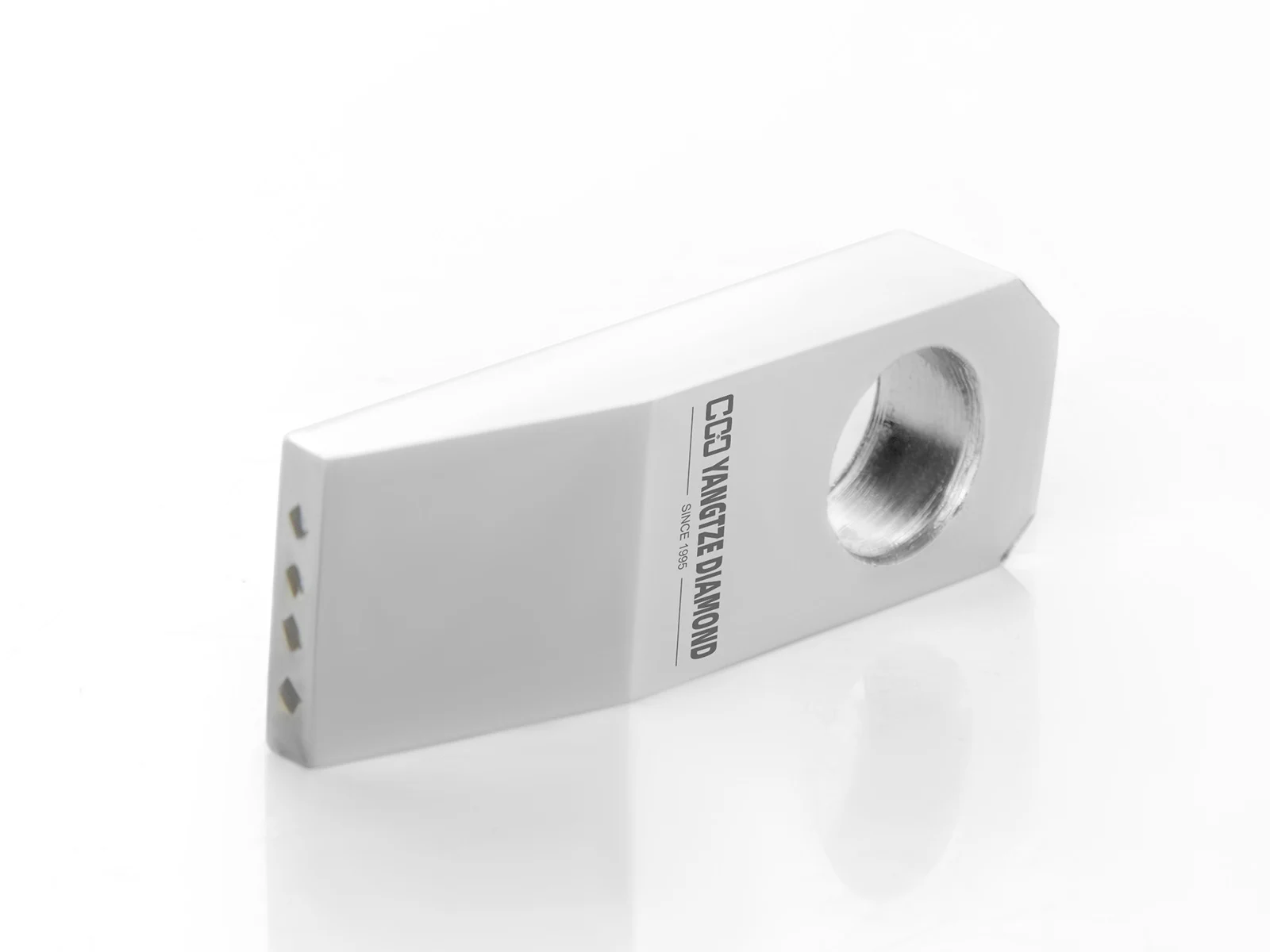
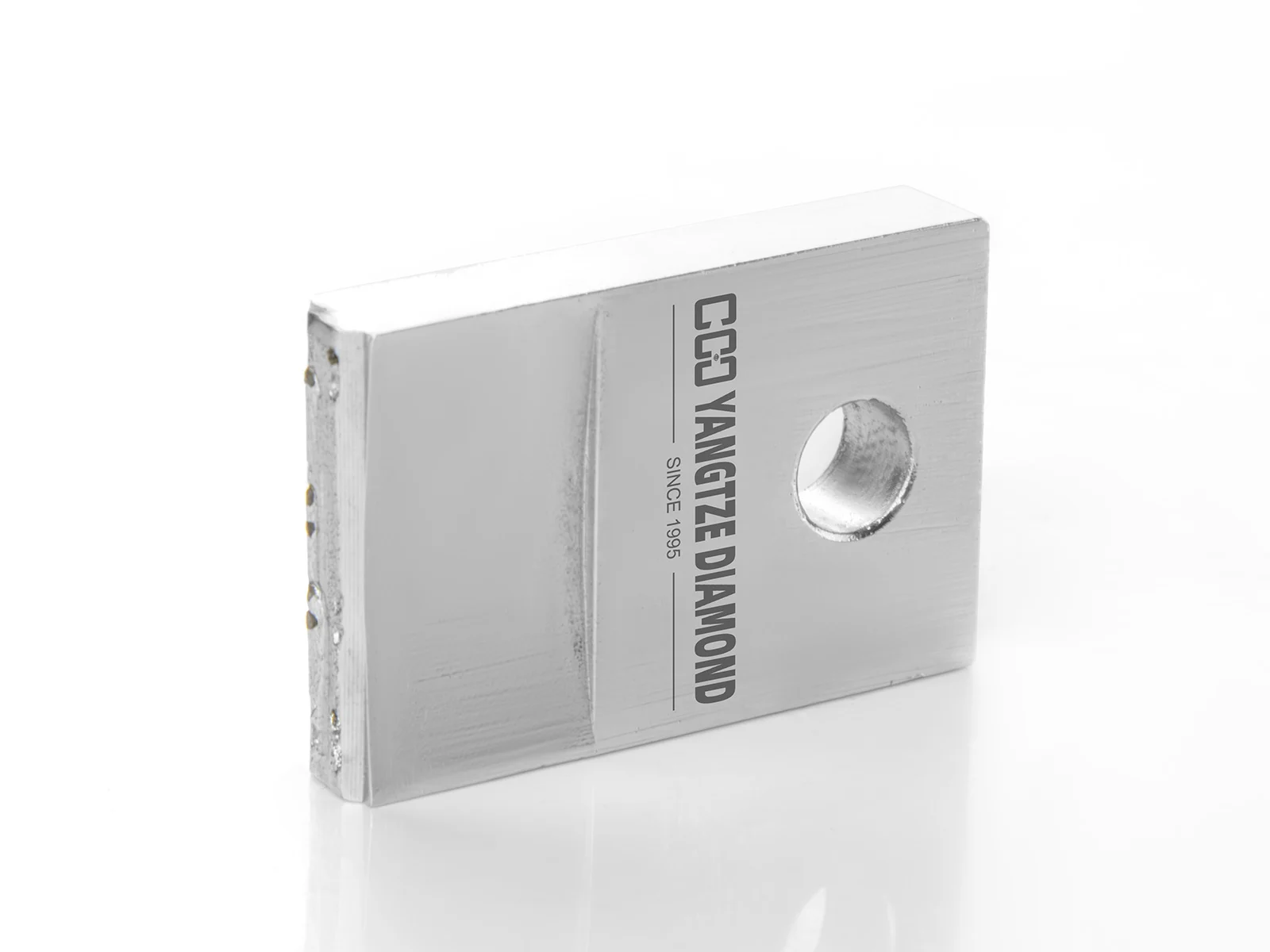
Application Logic:
For Fine Finishing: Select smaller log cross-sections (0.4mm) to minimize dressing forces and achieve high overlap ratios.
For Extreme Material Removal: Choose multi-log configurations (3-5 logs) to distribute the thermal and mechanical load across a wider contact zone.
Suitable Machines: Optimized for Studer, Toyoda, Landis, and Mikrosa cylindrical/centerless grinders.
Why Switch to Our Blade Type Dressers?
Continuous Narrative of Excellence: In high-precision grinding, variability is the enemy of quality. Our blade dressers provide an unmatched competitive edge by integrating advanced materials science with precise geometric control. Unlike single-point dressers that require operator intervention as the diamond tip flattens, our multi-stone blades offer a fixed dressing window. This stability allows for the standardization of CNC parameters, leading to a significant reduction in rework and scrap rates.
Furthermore, the Self-Sharpening Mechanism of our CVD inserts ensures that the wheel face remains open and free-cutting. This results in lower grinding temperatures, reducing the risk of workpiece burn and extending the life of the grinding wheel itself. By distributing the mechanical load over multiple points, our tools last up to 3 times longer than conventional alternatives, offering the lowest total cost of ownership (TCO) in the industry.
Technical Installation Guide & Wheel Geometry Support
Step-by-Step Installation
Central Positioning: Ensure the blade dresser is mounted exactly on the grinding wheel’s centerline. Improper vertical alignment will cause profile distortion.
Angle of Attack: Set the tool at a 10° to 15° drag angle pointing in the direction of the wheel’s rotation. This prevents chatter and protects the diamond’s integrity.
Coolant Access: Direct high-pressure coolant specifically at the point of contact before the dressing starts. Diamonds are sensitive to thermal shock; never dress dry if the grinding cycle is wet.
Rigidity: Minimize tool overhang. Excessive stick-out acts like a “diving board,” inducing vibration that ruins surface finish.
Supported Wheel Geometries
Our blade dressers are exceptionally versatile, capable of maintaining a wide range of wheel forms:
Straight Profiles: For standard peripheral grinding.
Step Profiles: Ideal for complex multi-diameter journals in centerless grinding.
Simple Radii: Capable of dressing corner radii with CNC interpolation.
Angled Shoulders: Supports plunge grinding wheels with shoulders up to 30 degrees.
Troubleshooting & Process Optimization
Diagnostic Guide for Common Grinding Defects
Expert Insight: If your grinding wheel becomes “loaded” (clogged with metal bits), the problem is often a lack of porosity. Our blade dressers help by fracturing dulled grains rather than just pushing them, creating an “open” structure that allows for better coolant penetration and chip clearance.
Industry Applications

Automotive
Manufacturing
Crucial for grinding crankshaft journals, camshafts, and transmission gears. Our tools ensure the high PPK and process stability required by Tier 1 automotive suppliers.

Aerospace Engineering
Optimized for dressing wheels used on nickel-based superalloys (Inconel) and titanium. Ideal for maintaining the complex airfoil profiles of turbine blades and vanes.
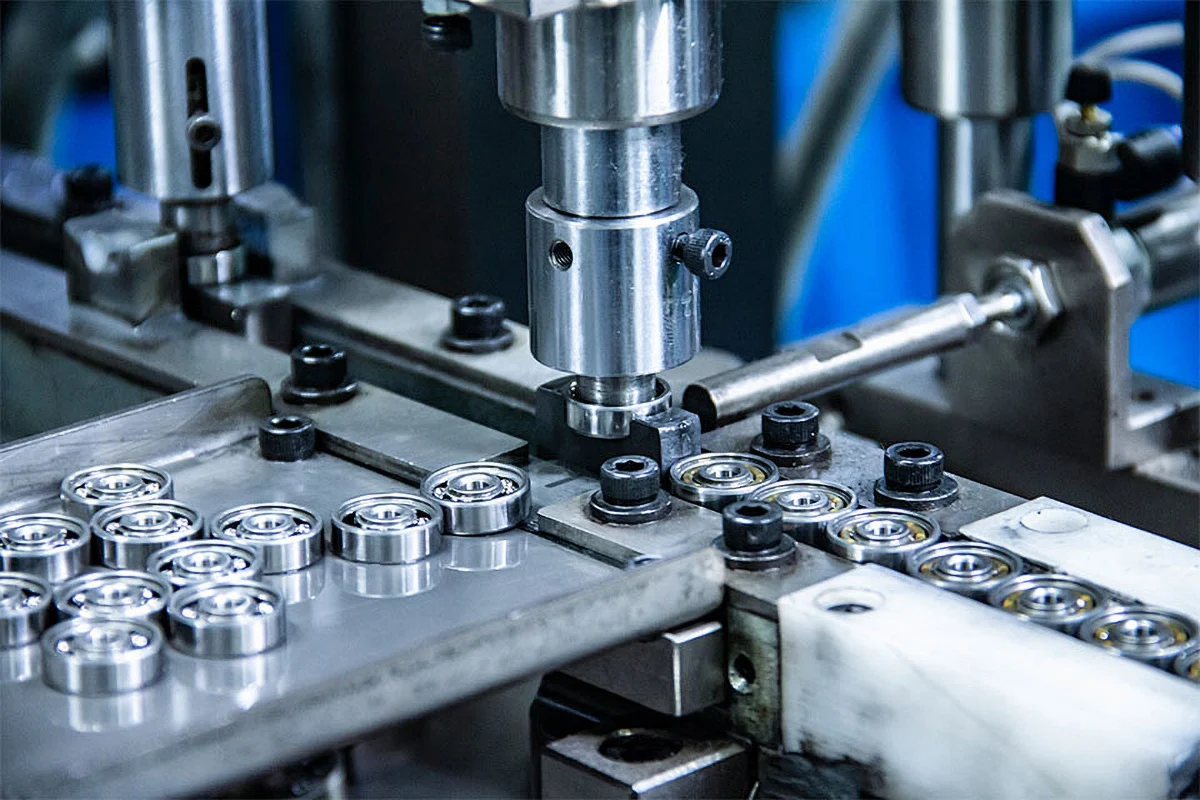
Bearing Production
Delivers the sub-micron roundness and flawless surface finish necessary for deep-groove ball bearings and high-speed raceways.
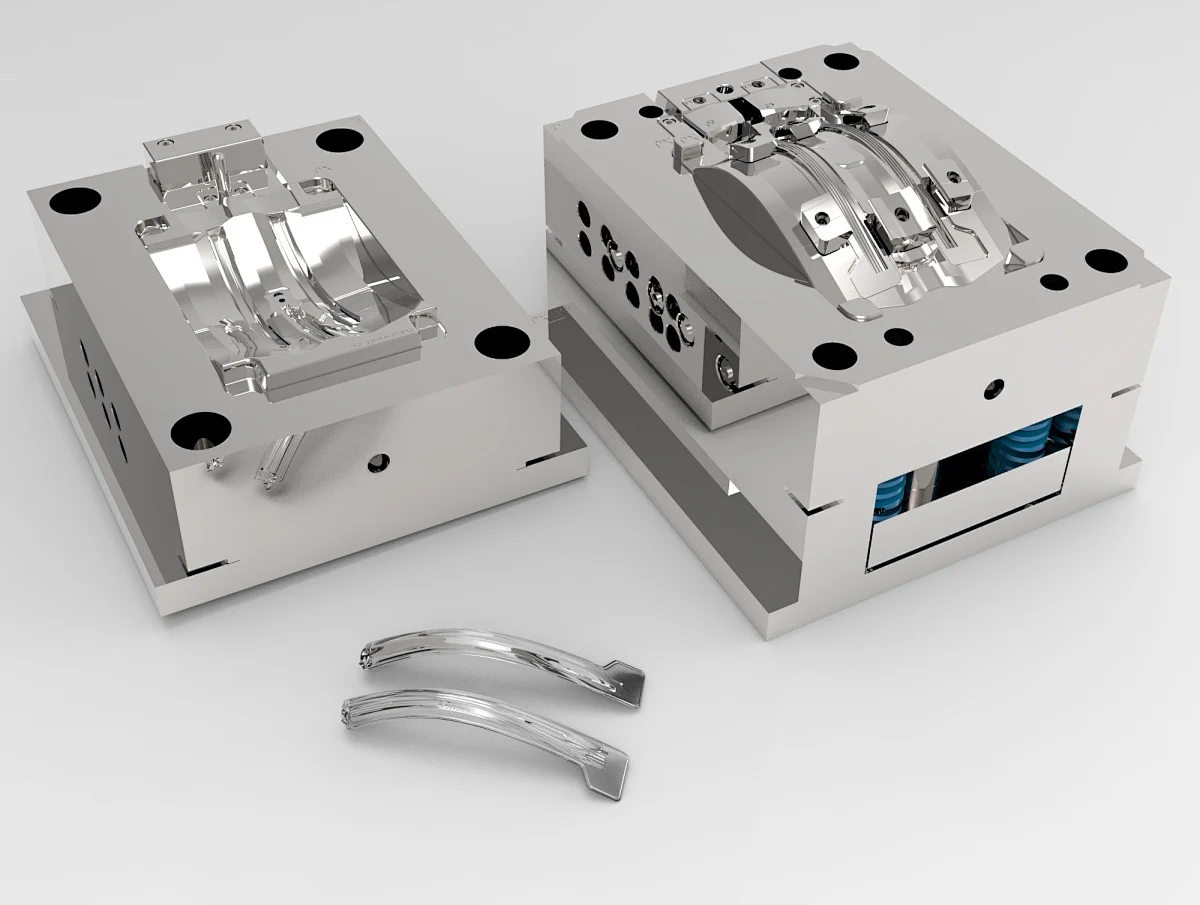
Tool & Die Industry
Precision truing of surface and cylindrical wheels used in the production of carbide molds, dies, and cutters.